Become an AI Powered Java Full Stack Developer
with KAFKA & AWS
Learn Java Full Stack Course In Telugu , Master Java, Spring Boot, Microservices, Kafka, AWS, and modern full stack development with real-time projects, and job-oriented training designed for today’s industry needs.
AI-Powered Java Full Stack Development combines modern Java technologies with AI, automation, APIs, and cloud tools to build smart, scalable, real-world enterprise applications for today’s fast-evolving software industry.
Frontend Development
Build responsive and modern user interfaces using React, HTML, CSS, and JavaScript.
Backend Engineering
Develop secure APIs, business logic, and scalable server-side applications with Java.
AI Integration
Use AI tools, automation, and smart features to build next-generation applications faster.
Cloud & Scalability
Learn AWS, microservices, and scalable deployment techniques for enterprise-level applications.
Java Full Stack Development remains one of the most in-demand career paths globally. From banking and healthcare to e-commerce and SaaS, the world’s biggest industries rely heavily on secure, scalable Java-based applications.
End-to-End Value
Companies are moving away from hiring separate frontend and backend teams. They want versatile Full Stack Developers who can manage an application from start to finish, driving massive hiring demand.
End-to-End Value
Companies are moving away from hiring separate frontend and backend teams. They want versatile Full Stack Developers who can manage an application from start to finish, driving massive hiring demand.
High-Demand Tech Stack
Startups and MNCs are aggressively hunting for developers skilled in modern architectures like Spring Boot, React JS, Microservices, Kafka, and AWS.
Global & Remote Opportunities
Skilled developers can rapidly advance to roles like Cloud Engineer or Solution Architect, unlocking lucrative remote opportunities with international tech giants.
Learn in Telugu
We make mastering these complex topics easier by teaching in your regional language. Build deep conceptual clarity, eliminate coding fear, and walk into interviews with total confidence.
Master the Technologies Powering Global Software Companies
Java Full Stack Development remains one of the most in-demand career paths globally. From banking and healthcare to e-commerce and SaaS, the world’s biggest industries rely heavily on secure, scalable Java-based applications.
Java
The backbone of enterprise software ,robust, scalable, and battle-tested across Fortune 500 systems.
Spring Boot
Build production-grade microservices and REST APIs with the framework powering modern Java backends.
Hibernate
Object-relational mapping done right. Persist data effortlessly with optimized query performance.
React JS
Craft blazing-fast, component-driven interfaces that power today's most loved web products.
REST APIs
Design secure, scalable APIs that connect frontends, mobile apps, and distributed services.
Apache Kafka
Stream millions of events per second with the gold standard for event-driven architectures.
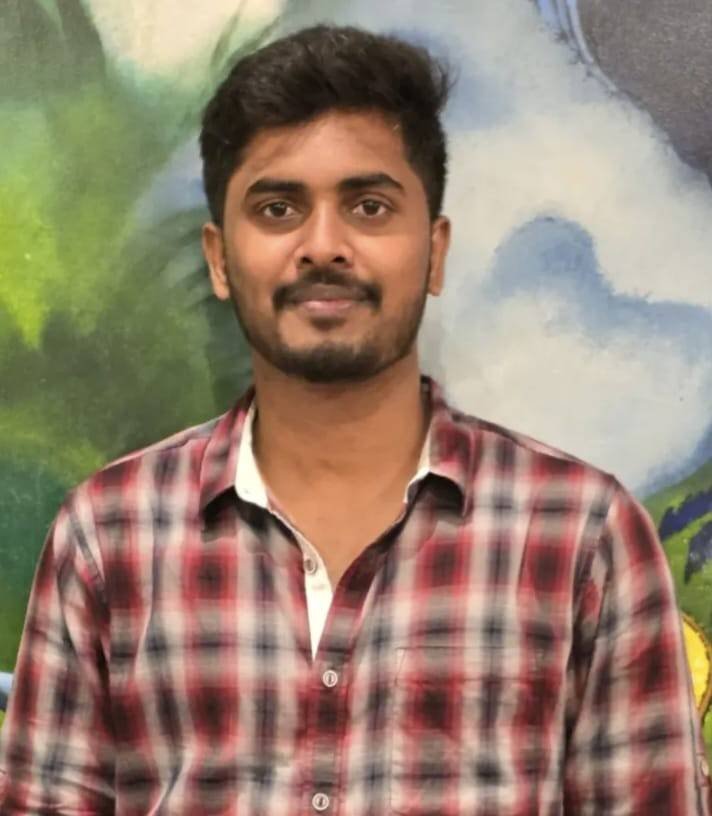
As a Non-IT student, I chose to step into IT and joined FLM’s Java Full Stack course.
With Upendra Anna’s guidance, learning Java became easy and confidence-boosting for me!
Chand Basha
Fisclouds pvt ltd
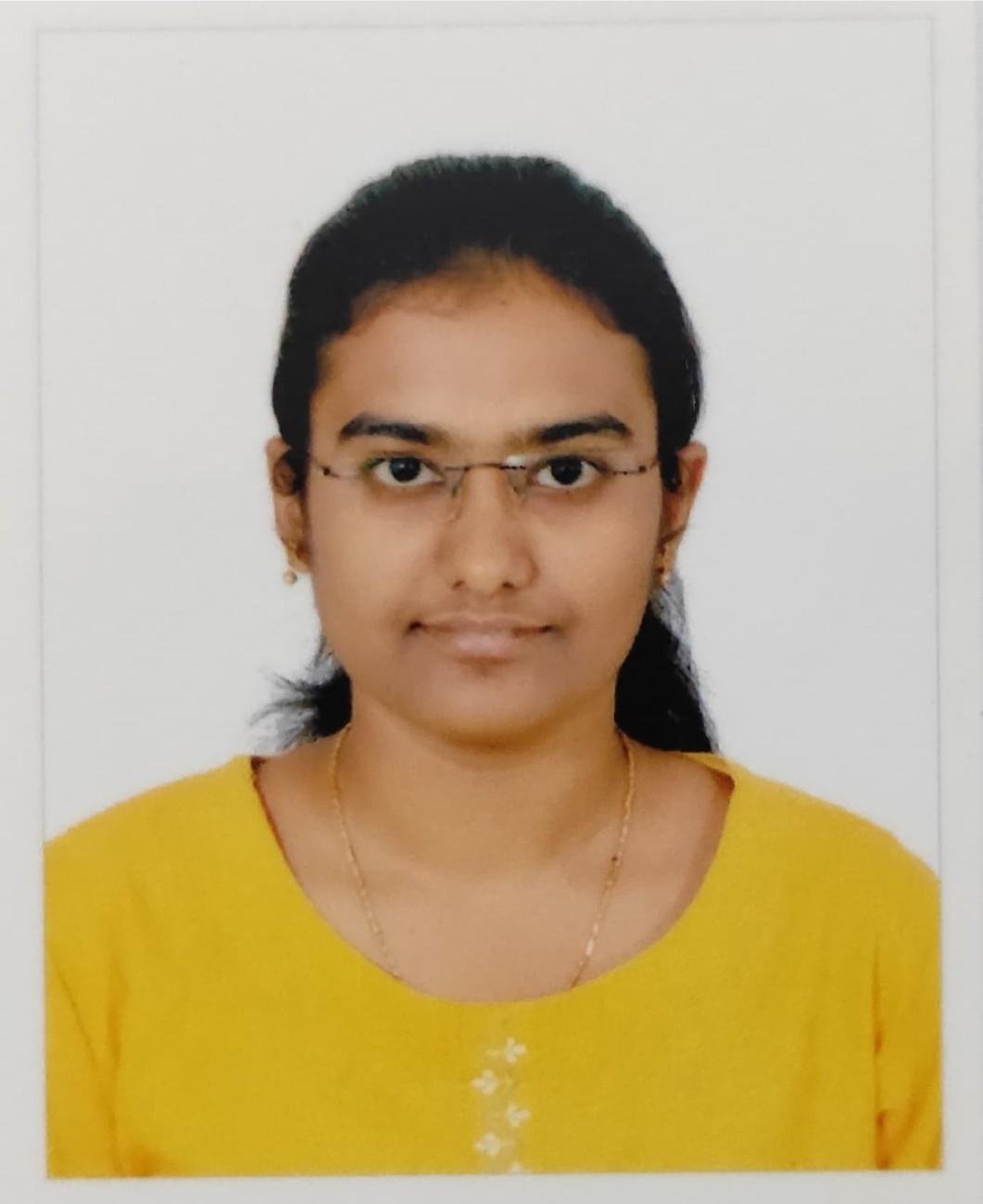
Big thanks to my trainer and inspiration, Upendra Sir.
His real-time examples and clear teaching made learning Java easy and practical for us!
Lavanya
Elbert Technology Pvt Ltd
Are you from support and planning to shift into development?
Or on bench struggling for a project or switch?
FLM is your one-stop solution with live classes, add-on sessions, and interview guidance.
Honestly, I love this course!
Venkat
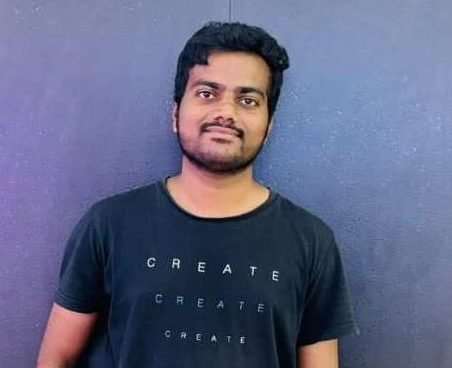
I’m from a Non-IT Mechanical background and joined Frontlines Media Edutech for the Java Full Stack course.
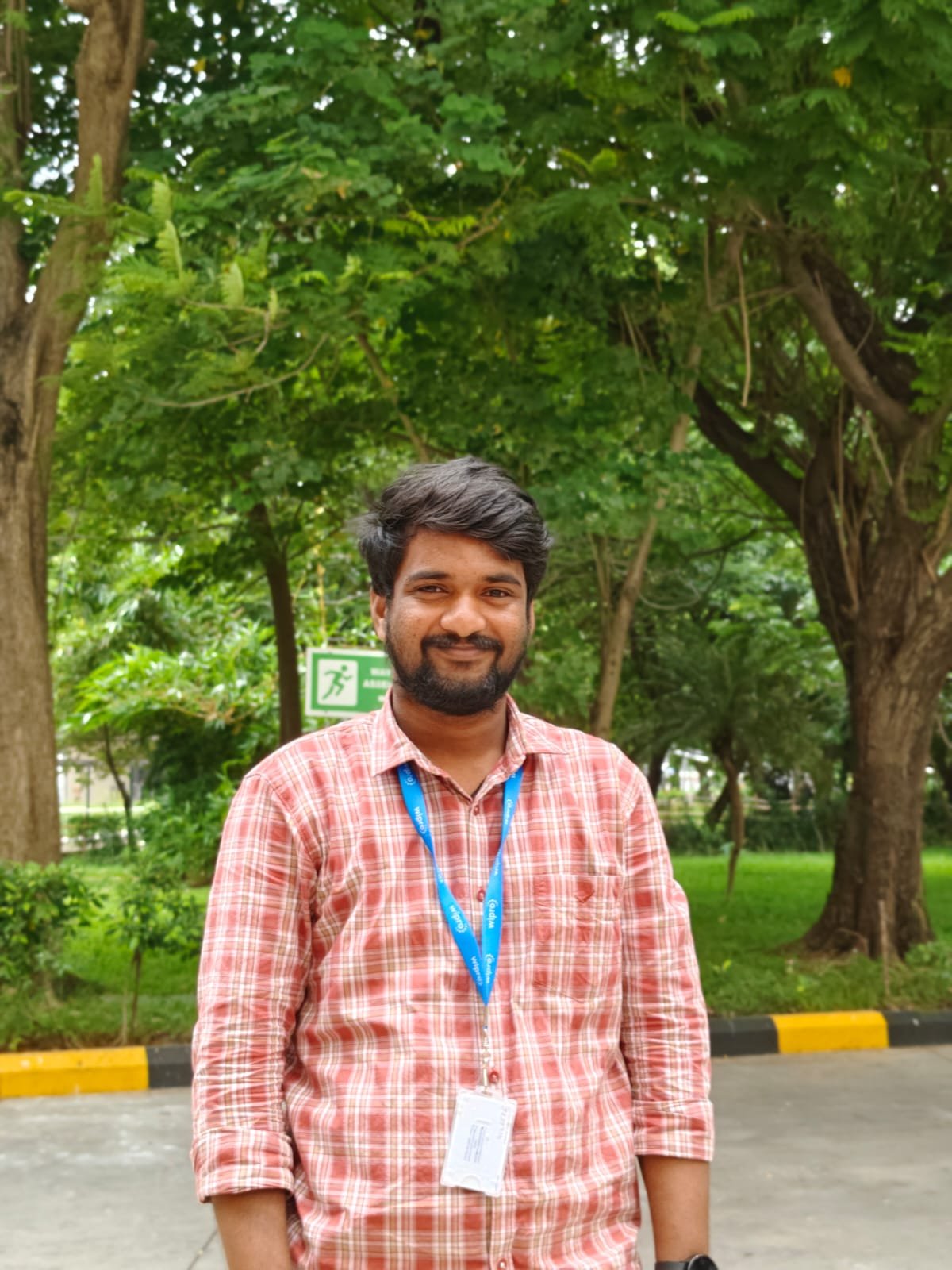
With Upendra Sir’s real-time teaching, I gained confidence in Java and successfully cracked a job at Wipro!
Ravikumar
Wipro
After joining FLM’s Java Full Stack course, I gained real-time practical knowledge and confidence.
The topics covered helped me face interviews easily and land a Java Developer role successfully.
Raj kumar pilli.rk
NE Group
I joined FLM for the Java Full Stack course, and I’m fully satisfied from day one.
The trainer’s teaching style and FLM’s add-on sessions built my confidence and strengthened my skills.
Gembali Aparna
HR geckos
Hear from Our Successful Students
ManideepJava Fullstack Student
Excellent Java Full Stack course with clear teaching, live sessions, and affordable fees helped me crack interviews easily!
DorababuJava Fullstack Student
Completed Advanced Java at FLM. Fayaz sir clear teaching with real-time examples. Great learning experience
YESHWANTH SRINIVASAN Java Fullstack Student
Chaala manchi platform. Fayaz sir clear ga explain chestaaru, important points stress chestaaru. FLM Edutech try cheyyandi
Ijjarati ManikantaJava Fullstack Student
Good course with real-time concepts and interview questions. Fully satisfied
Srinivasarao BommanaJava Fullstack Student
Completed Adv Java & Spring at FLM. Clear Telugu teaching, practical examples, projects. Great for beginners
Kemburu JagadeeshJava Fullstack Student
Always very approachable and trustable, Genuine teaching with skills The way the trainer teaching will be the realtime
VAJJALA VENUGOPAL YADAVJava Fullstack Student
I have completed the Advanced Java course, and I found Fayaz Sir's teaching style to be excellent. He explains concepts clearly and demonstrates strong expertise in the subject.
PASUPULA SUNIL KUMARJava Fullstack Student
Joined FLM June 2025. Humorous teaching cleared Java fear. Easy real-time learning. Now placed in Accenture
NehaJava Fullstack Student
Java backend course at FLM. Very clear explanations, easy to understand concepts. Thanks to FLM & Fayaz sir for great support
Swetcha DommataJava Fullstack Student
Great learning experience at FLM! Upendar sir’s clear teaching, real-time projects, and grooming sessions boosted my skills and confidence.
Mounika kanneboinaJava Fullstack Student
Completed Core & Advanced Java at FLM. Upendra & Fayaz sir clear teaching, real-time examples, good structure & practice. Great learning
Shravya BJava Fullstack Student
Completed Advanced Java at FLM. Clear teaching, hands-on practice, good syllabus, and strong placement support.
Rajesh MakamJava Fullstack Student
Completed Advanced Java at FLM. Clear teaching, hands-on practice, good syllabus, and strong placement support.
Vasanth Krishna KJava Fullstack Student
Advance Java course baagundi. Trainer clear ga Telugu lo explain chestaaru with real-time examples. Worth learning 👍
shaikhussainJava Fullstack Student
Completed Advanced Java at FLM. Fayaz sir clear, simple teaching with real-time examples. Supportive & helpful
Sai DongariJava Fullstack Student
Full Stack Java training at FLM. Clear teaching, strong hands-on practice in frontend & backend. Builds real-time project confidence
EMMADI SAI SATHISHJava Fullstack Student
Java Full Stack course at FLM. From zero to strong coding skills. Fayaz sir engaging teaching. Worth learning
Muppala HarithaJava Fullstack Student
I enrolled in advanced java course and had a great learning experience. The concepts were explained clearly,and the sessions were practical and very helpful.
G Geetha PunyavathiJava Fullstack Student
FLM’s course was easy to follow with clear examples and explanations — very helpful for understanding core concepts!
Dadi Sai SathvikJava Fullstack Student
A perfect course for aspiring developers! FLM offers expert trainers, affordable learning, and valuable hands-on project experience.
Pavan MattapalliJava Fullstack Student
Exceptional course! Deep concepts, real-time coding, and soft-skill sessions made FLM the best learning experience I’ve had.
Sai Srinivasa Rao MulagapatiJava Fullstack Student
Get ₹10,000 Worth of Free Career Booster Add-On Sessions
Resume Building
Create strong resumes with expert guidance.
Job Updates
Get access to latest openings & hiring alerts.
Interview Prep
Mock interviews and communication training.
LinkedIn Boost
Optimize your LinkedIn for visibility.
Career Transition
Guidance to shift domains or roles confidently.
Freelancing
Learn how to start and grow as a freelancer.
Career Advancement Results
At Frontlines Edutech, we believe in transforming careers through high-quality, industry-relevant education. Our focus is on providing practical skills and knowledge that lead to real-world success. With a proven track record of impactful learning, we ensure our students are well-equipped to excel in their chosen fields and achieve their career goals with confidence.
Happy Students
0k+
Batches Conducted
0+
Experience
0+
Satisfaction
0%
Frequently Asked Questions
Q: Can a beginner or non-IT student learn Java Full Stack without prior coding experience?
A: Yes. You do not need prior coding knowledge. Our course starts from absolute scratch, taking you step-by-step from core programming fundamentals to advanced AI integrations. It is perfectly designed for non-IT students, freshers, and career switchers.
Q: Can I learn this while studying for my degree?
A: Absolutely. Degree students (B.Tech, B.Sc, BCA, MCA) can learn Java Full Stack alongside their academics. This prepares you for internships and campus placements before you even graduate.
Q: What makes this an "AI-Powered" Java Full Stack course?
A: Traditional Java courses only teach backend and frontend. We future-proof your career by combining core Java, Spring Boot, and React JS with cloud deployment (AWS), real-time data streaming (Kafka), and direct integration of AI tools and APIs into your applications.
Q: Are the live classes taught in Telugu?
A: Yes, all live, instructor-led training sessions are conducted in Telugu. This eliminates the language barrier, ensuring you build deep conceptual clarity and confidence.
Q: Will I build real-time projects during the course?
A: Yes. You will move past pure theory by building real-world, enterprise-level projects, including hospital management systems, scalable e-commerce platforms, banking applications, and AI-powered chatbots.
Q: What is the average salary for a Java Full Stack Developer in India?
A: Freshers can expect starting salaries between ₹4 LPA and ₹8 LPA. As you gain experience, specialized developers (especially those with Spring Boot, AWS, and AI skills) can earn between ₹12 LPA and ₹25 LPA+.
Q: Is Java Full Stack still in high demand in 2026?
A: Yes. Java remains the backbone of enterprise software. Companies across banking, healthcare, fintech, and SaaS rely on Java for its security and scalability. Adding AI and Cloud (AWS) skills puts you in the top tier of hiring demand.
Q: Do you provide placement assistance after completion?
A: Yes. Our comprehensive placement support includes resume building, intensive mock interviews, coding challenges, LinkedIn profile optimization, and direct job updates to ensure you are interview-ready.
Q: How long does it take to learn Java Full Stack and become job-ready?
A: With consistent practice and project implementation, most students become fully job-ready and confident to clear interviews within 6 to 9 months.
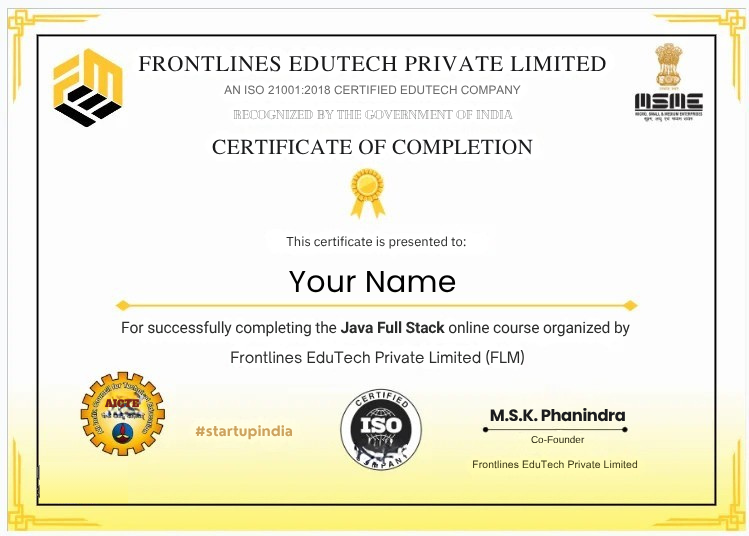
Q: Will I receive a certificate?
A: Yes. Upon successfully completing the course, modules, and your real-time projects, you will receive an industry-recognized certification to showcase on your resume and LinkedIn.
Get Certified
Yes, you’ll get a Certificate representing your Industry Readiness once you submit your projects and clear the pre placement test.